
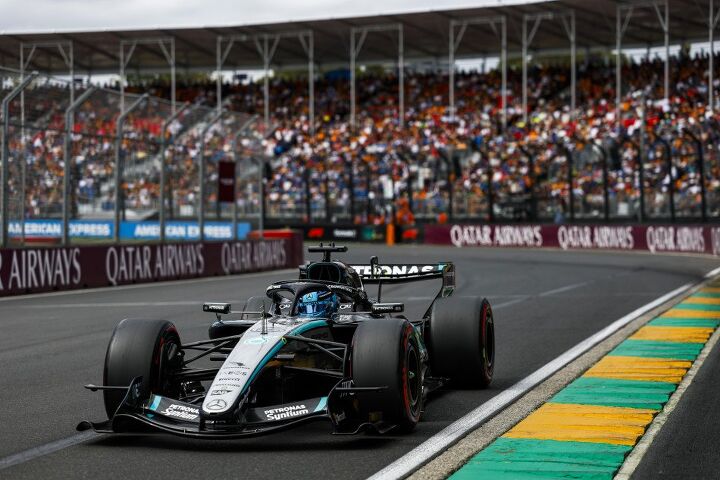
Formula One has made some drastic changes to its vehicles for 2026 and many drivers were expressing some heavy criticisms going into the season. Now that the Australian Grand Prix is in the rearview, we can see that many of those opinions have gone largely unchanged.
This year’s F1 cars are shorter, narrower, technically more agile, and come with full-time active aerodynamics and a 50/50 hybrid system. Organizers said the cars were being updated to create more competitive racing while also leveraging electrification and synthetic fuels to create a more “sustainable” version of the sport.
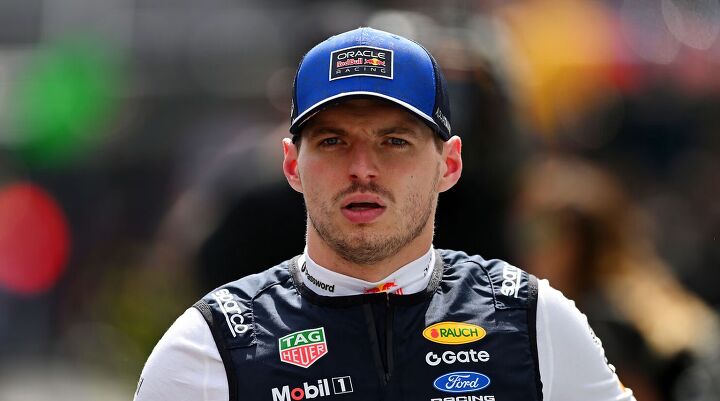
But the new cars have garnered loads of criticism from some of the drivers. Max Verstappen went into this season already being highly critical of the new vehicles, saying that they were effectively “Formula E on steroids.” His opinion doesn’t seem to have changed after the first race, stating that he isn’t having any fun behind the wheel of the new cars.
Verstappen actually crashed out during qualifying in a bizarre incident where the car skidded out of control under braking. The team speculated that this could have been due to the rear brake bias setup with the intention of harvesting as much electrical energy as possible. Other teams have likewise noted the phenomenon, suggesting that extremely aggressive braking was also the best way to recharge the batteries.
ESPN got Lando Norris (last year’s champion) to weigh in on changes made to the vehicles and he didn’t pull any punches. “We’ve come from the best cars ever made in Formula 1 and the nicest to drive to probably the worst,” he said after the race. “It sucks, but you have to live with it and just maximise what you get given. It’s certainly different. It’s certainly not like it was last year.”
Relative to 2025, this year’s F1 cars are smaller and more nimble. However, they’re also reliant on a hybrid system that splits power between the V6 upgraded 350-kW MGU electric motors. Peak power is only available some of the time, as the vehicles some with extremely small battery packs that need to be recharged between laps. This has ironically put drivers in a position where extremely aggressive braking, or taking something other than the usual racing line, can be advantageous — since it helps recharge the itty-bitty battery pack needed to get the most out of the hybrid system.
However, this has resulted in drivers having very inconsistent lap times and will likely require drivers to adopt different driving styles between tracks to best optimize energy recovery. Managing a vehicle’s energy efficiency has become extremely important, rubbing some drivers the wrong way.
Complaints are centered around not being able to utilize the full power of the car, limiting their options between laps. Additional gripes come from how the cars feel, as power delivery now varies heavily based upon how much electricity can be recouped before a driver decides to push. Drivers are complaining that a vehicle will feel woefully underpowered through a few turns and then uncontrollably overpowered a few seconds later.
This, combined with the new active aerodynamics, have resulted in criticism that the cars feel largely artificial. Drivers are angry that the vehicles offer inconsistent feedback as their state of charge and aerodynamics is constantly changing during a race. They also offer significantly less downforce than the cars from 2025, making them less predictable at speed.
While some of these gripes are undoubtedly the result of drivers not yet having learned how best to utilize their new tools, it does seem that the cars are poorly optimized for someone hoping to achieve consistent laps. That’s presumably supposed to help make races more exciting by creating situations where one car that’s managed to retain some electricity can easily overtake a rival. But the resulting racing does seem like a bit of a hectic mess.
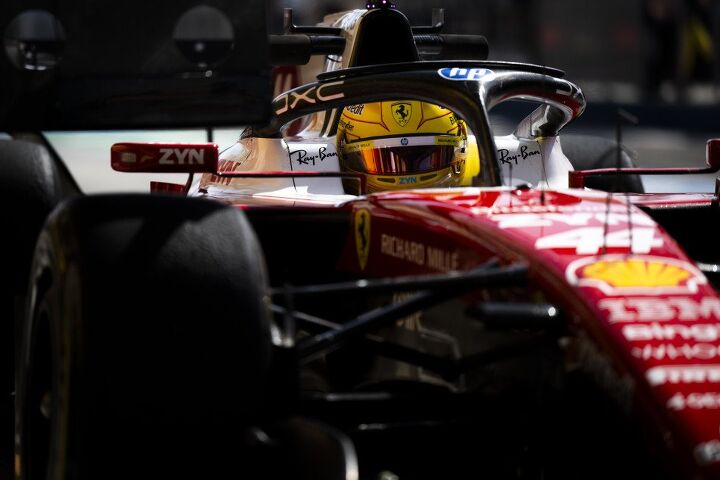
Lewis Hamilton has faulted the cars as being “ridiculously complex,” noting that drivers “need a degree” to make the most of the new hybrid system. The complaint here is that trying to ensure the battery is always topped off becomes a meaningful distraction during a race. Teams aren’t just managing tire wear while trying to put down the fastest lap times anymore. They’re trying to do mental calculations about where to lift, when to brake, and what line to take in order to have a cooperative hybrid system.
Fernando Alonso perhaps put it best when he said that the cars for the 2026 season of F1 demand that someone “overthink a little bit while driving.” The consensus from most drivers seems to be that the updated cars make it hard for them to enter a flow state where they can just focus on the task at hand.
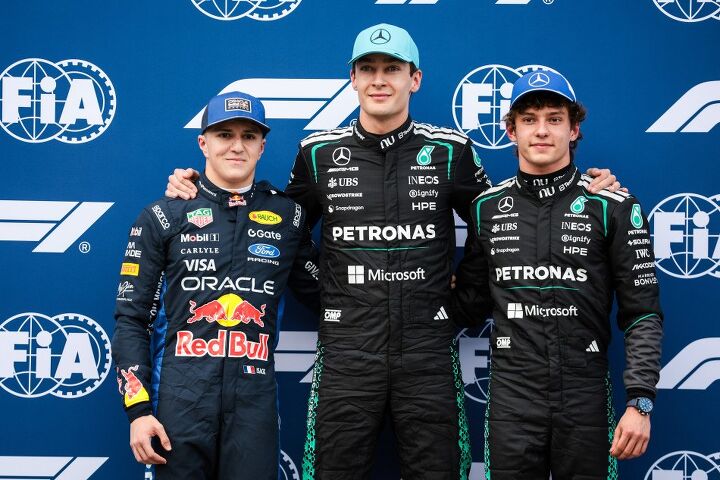
That said, not everyone hates them. George Russell has praised them as more comfortable and less bouncy than the cars from 2025. He also managed to win in Melbourne last week with a lead of nearly three seconds. This would seem to suggest that there is indeed a way to wrangle these new automobiles in a manner that’s advantageous to the driver.
But there have still been a lot of complaints and Formula One has been very keen to downplay those criticisms in its own coverage. Meanwhile, the endless environmental posturing has become tiresome for fans. Formula One can claim that hybridization and synthetic fuels are somehow reducing the carbon footprint of the vehicles.
Teams are still required to utilize teams of trucks and airplanes to move themselves around between races. That undoubtedly has a larger carbon footprint than the cars whizzing around the track for the better part of a day — arguably making the whole environmental angle kind of sham.
However, F1 has managed to shake things up with the new vehicles. Overtaking was clearly more prevalent in Australia over the weekend than ever before. That presumably made things quite exciting for fans watching from the sidelines. However, the on-board cameras with audio feeds allowing viewers to hear the team radios painted a different picture. One could hear drivers complaining as their hybrid systems petered out due to a lack of energy as rival drivers made their pass.
[Images: F1; FIA]
Become a TTAC insider. Get the latest news, features, TTAC takes, and everything else that gets to the truth about cars first by subscribing to our newsletter.
