
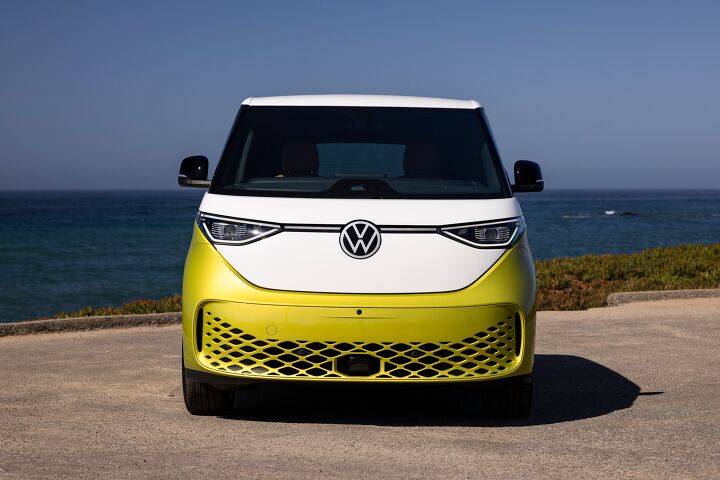
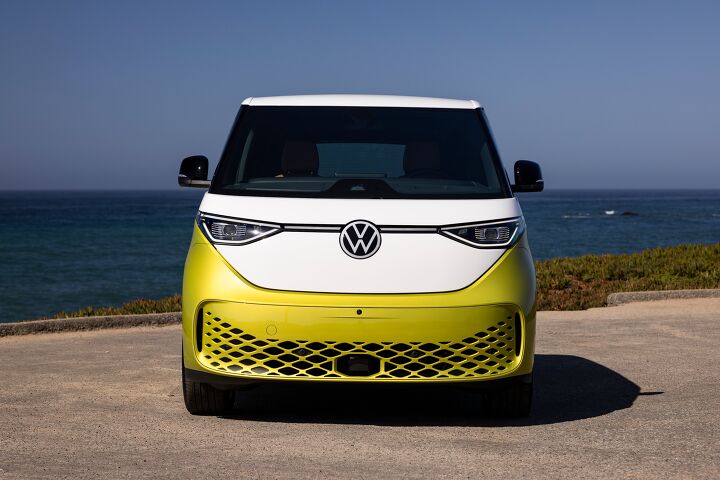
Contrary to popular belief, the Volkswagen ID Buzz has not been discontinued — it has just gone dormant inside North America while VW prepares the 2027 model year.
The current plan is to basically suspend production of the 2026 model year so that the overstocked 2025 model can be sold off over the next twelve months. This fact was recently clarified with CarBuzz as part of a corporate update on Volkswagen’s North American lineup.
“We’re just going directly from 2025 to 2027, which goes against rumors I’ve seen,” said Dr. Kjell Gruner, President and CEO of Volkswagen Group America. “No pause.”
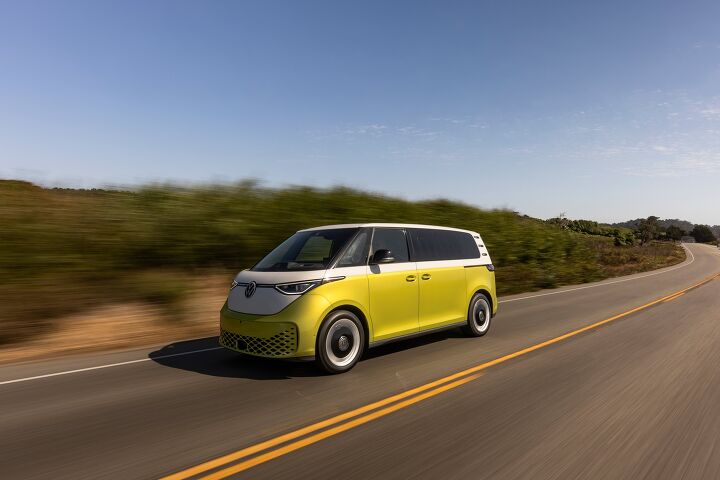
We’re not exactly sure how skipping an entire year of production doesn’t constitute a pause. But VW leadership probably just doesn’t want us to dwell on the status of the Buzz.
From CarBuzz:
Gruner didn’t say if Volkswagen would be making any changes to the 2027 ID. Buzz in order to help it compete better in today’s contracting EV marketplace. If we had our druthers, however, the stylish, Microbus-inspired van would be about $10,000 cheaper to start. The 234 miles of maximum range it currently offers is too much for a $60,000 EV, but that number might be more acceptable at 50 grand or so.
VW proved it could make reasonable changes to its EVs with the steady, gradual improvement it’s made to the ID.4, which launched in 2022 with no more than 275 miles of range. For 2026, that number has risen to 291 in its longest-legged form.
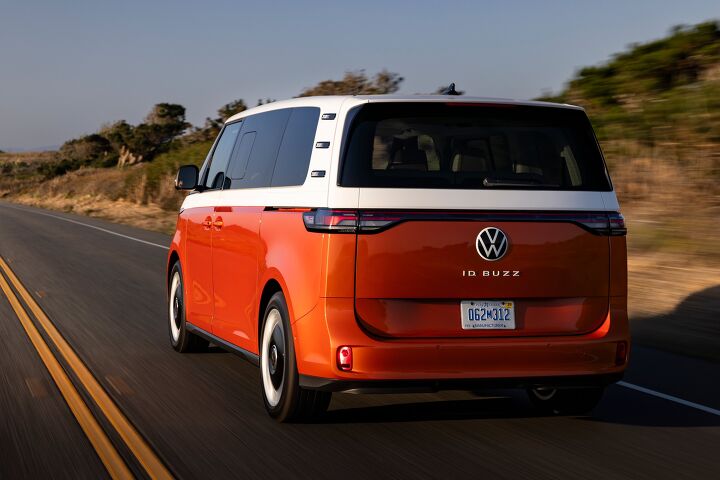
The Buzz was always a questionable addition to Volkswagen’s lineup. Designed to play on the nostalgia of the VW Type 2, colloquially known as the “microbus” in North America, the ID Buzz doesn’t have much in common with the original.

Launched in 1949, the original Transporter/Kombi (Type 2) basically took the concept of the Beetle (Type 1) and applied it to a larger vehicle. It was a slow, efficient, no-frills model focused entirely on being affordable to run and simple to fix. This made the small van extremely popular as a local delivery vehicle and budget-focused urban runabout.
Subsequent factory and aftermarket customization options would further broaden its appeal as a passenger, commercial, and even recreational vehicle. There were no shortage of variants, with the van-based models simply being the most popular. Similar to the Beetle, it also secured its legacy with Baby Boomers who bought them in droves and customized them as part of the hippy movement.
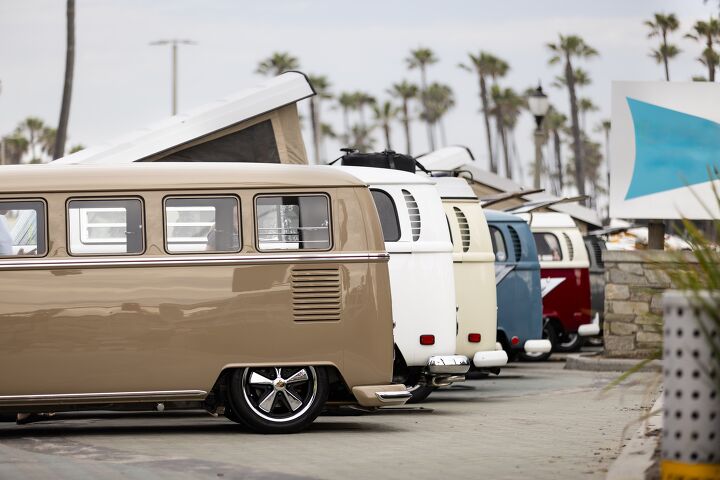
While the model would become modernized over successive generations, the third-gen Transporter/Type 2 (launched in 1979) would be the first major departure from the original formula. By the fourth generation (1990) the van had abandoned its air-cooled engine mounted at the rear and moved to liquid-cooled engines situated at the front.
What the ID Buzz has attempted to do is tap into the nostalgia of those early vans while moving further away from the concept of an efficiency focused model. The only aspects it really shares with the older Type 2 models is boasting a smartly designed cabin that maximizes interior volume and some of their visual acumen. While it wears the clothes of classic VW vehicles, it’s ultimately just another modern electric offering from the brand with too many touch controls and the kind of acceleration owners of the older models would have never thought possible.
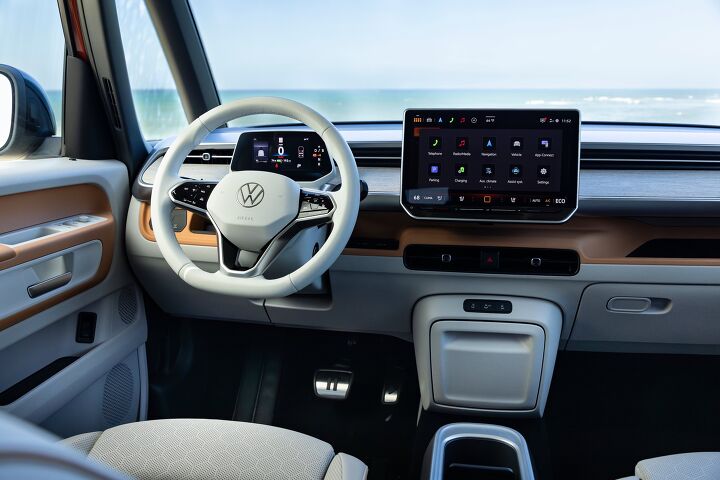
Volkswagen clearly marketed the EV to appeal to a generation with fond memories of the first and second-generation Type 2. However, those people are now at retirement age and presumably don’t need a family sized passenger vehicle on a regular basis.
The fact that it’s also an all-electric model, boasting lackluster range and starting at roughly $62,000, likely has not helped with sales. EV volumes in North America have fallen well short of industry assumptions, with Volkswagen only able to sell about 29,000 annual units (worldwide) in both 2023 and 2024. While 2025 saw just over 60,000 global deliveries, U.S. volumes remained suppressed — representing only about 7,000 units of the whole.
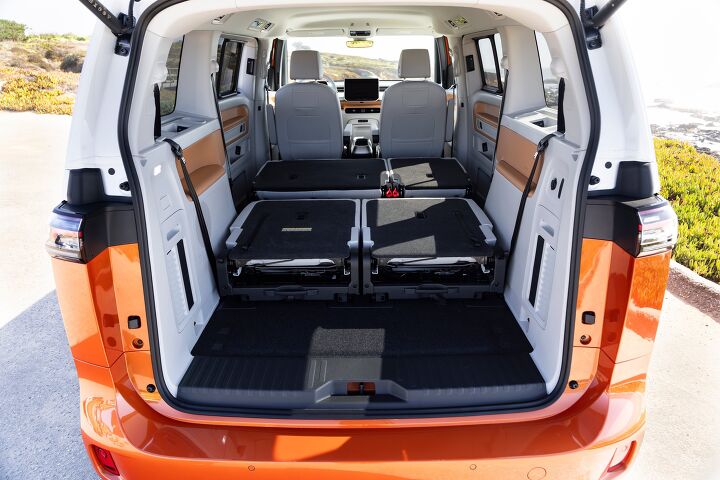
This has encouraged Volkswagen to pause production for North America so that holdover vehicles from the 2025 model year can be sold. There will be no ID Buzz for 2026, with the company allegedly comfortable waiting around till the updated 2027 model year.
But one wonders how sound a strategy this will actually be. It seems unlikely that VW could expect a sizable jump in demand within the United States, even if the updated model sees improvements.

Without emissions regulations applying pressure on Volkswagen to keep it on sale, or truly harrowing fuel prices convincing more people to pivot to electric models, it’s hard to imagine any scenario where it crests 10,000 annual sales inside North America.
It’s honestly more surprising that VW wants to bring it back for 2027 instead of simply pulling it from our market. With that in mind, we aren’t ready to make any assumptions about the future of the ID Buzz. Depending upon how the sale of those holdover models progresses over the next several months, the manufacturer may yet decide to pull it from our market.
[Images: Volkswagen]
Become a TTAC insider. Get the latest news, features, TTAC takes, and everything else that gets to the truth about cars first by subscribing to our newsletter.