The predicted decline of electric vehicle (EV) following the end of the $7,500 federal tax credit last fall has been well documented. However, a new JD Power study shows that EVs retain a certain level of popularity.
According to the JD Power 2026 U.S. Electric Vehicle Experience Ownership Study, EV owners are happier with their plug-in cars, trucks, and crossover than ever before. More importantly, 96 percent of EV buyers say they’re considering buying or leasing another EV for their next vehicle. That’s the highest number recorded in the five years the company’s conducted the study.
“EV market share has declined sharply following the discontinuation of the federal tax credit program in September 2025, but that dip belies steadily growing customer satisfaction among owners of new EVs,” said Brent Gruber, executive director of the EV practice at JD Power.
“Improvements in battery technology, charging infrastructure and overall vehicle performance have driven customer satisfaction to its highest level ever. What’s more, the vast majority of current EV owners say they will consider purchasing another EV for their next vehicle, regardless of whether they benefited from the now-expired federal tax credit.”
There’s an old adage that if you give consumers what they want, they’ll keep coming back. Well, EV producers seem to be taking that to heart. The biggest issue bothering EV owners recently has been the lack of reliable of public chargers. The new study shows charging station reliability is up.
In fact, of all the areas Power officials queried, it showed the best improvement. Satisfaction among premium BEV owners is 652 (on a 1,000-point scale) and 511 among mass market owners, up 101 and 115 points, respectively, year over year.
The continued growth of publicly available chargers and opening of the Tesla Supercharger network have notably improved satisfaction among mass market BEV owners during the past several years, officials noted. Furthermore, satisfaction among Tesla owners is rebounding as they adapt to the expanded access of the charging network.
Additionally, the quality of the vehicles themselves appears to have improved, making EV owners very happy. The biggest area of improvement is the reduction of squeaks and rattles coming from the vehicle during driving — and the scores rose for luxury EVs as well as mass market vehicles.
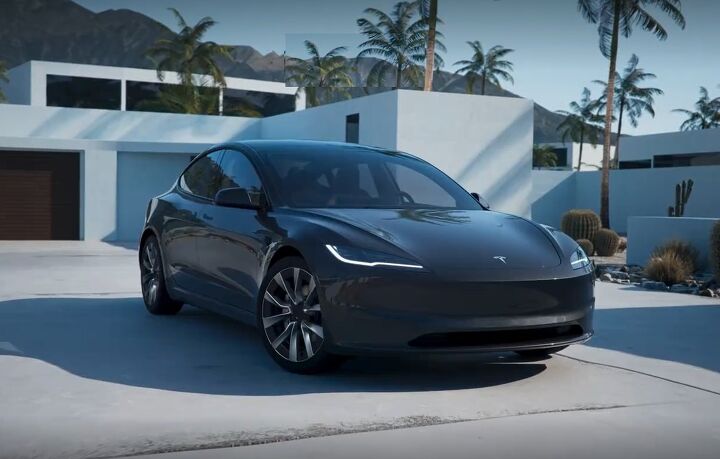
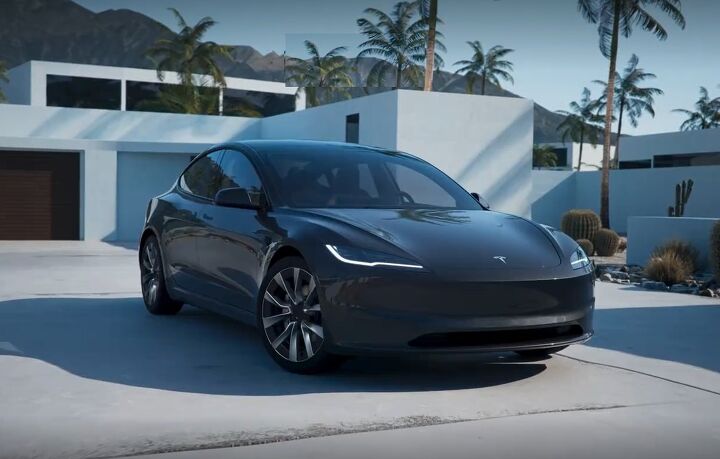
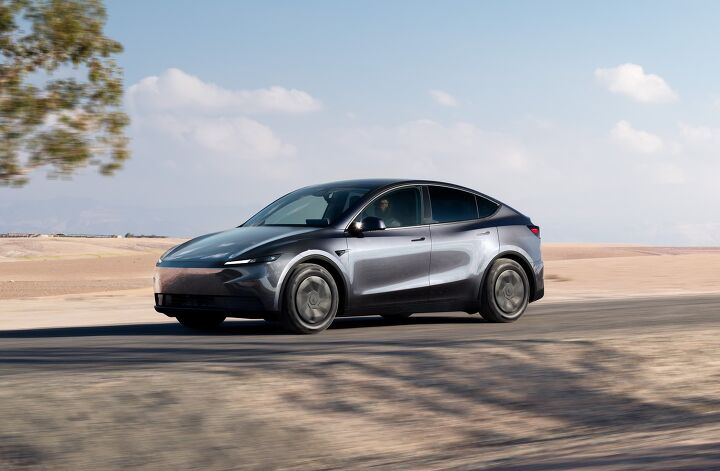
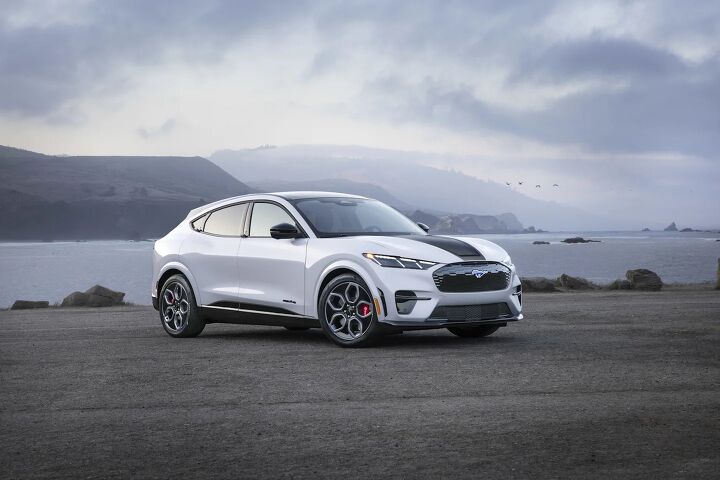
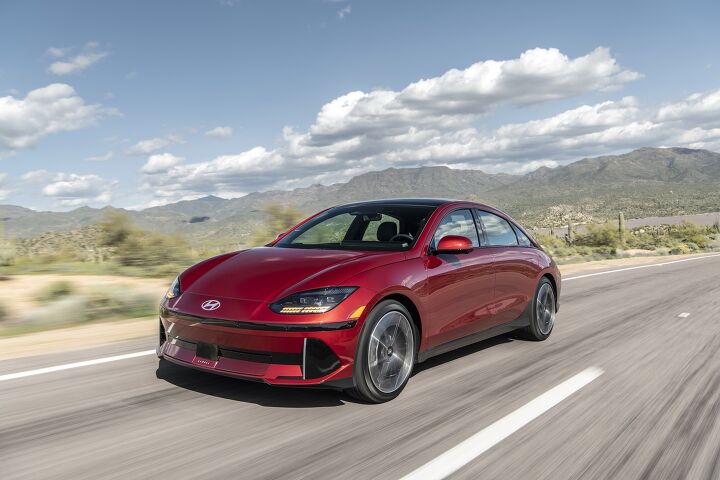
If you are in the market for a new EV and what to know what owners like their vehicles the best, well the highest scoring vehicle in the study was the Tesla Model 3 with a score of 804 (out of 1,000). The Tesla Model Y, which is the world’s best-selling vehicle, was second and the BMW i4 was third. They also carried the top three premium spots, while the Ford Mustang Mach-E was the top-ranked mass market model, scoring 760. The Hyundai Ioniq 6 was next at 748 with the Kia EV9 third at 745.
Satisfaction among owners of premium BEVs averages 786, up from 756 last year, while satisfaction among owners of mass market BEVs averages 727, versus 725 in 2025.
[Images: Tesla, Ford, Hyundai]
Become a TTAC insider. Get the latest news, features, TTAC takes, and everything else that gets to the truth about cars first by subscribing to our newsletter.
