
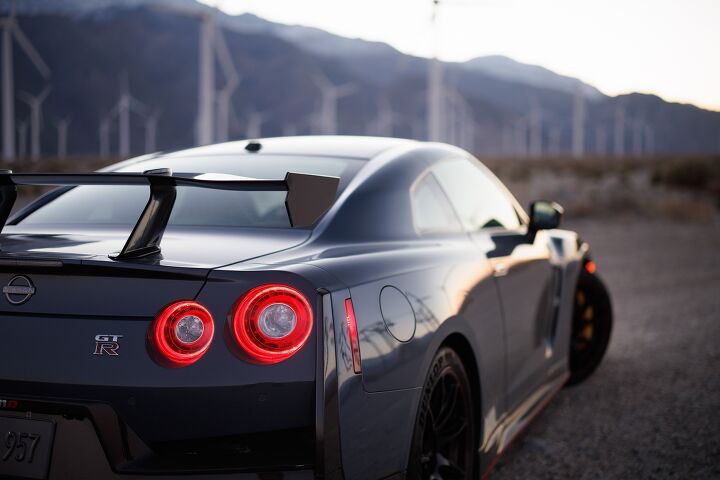
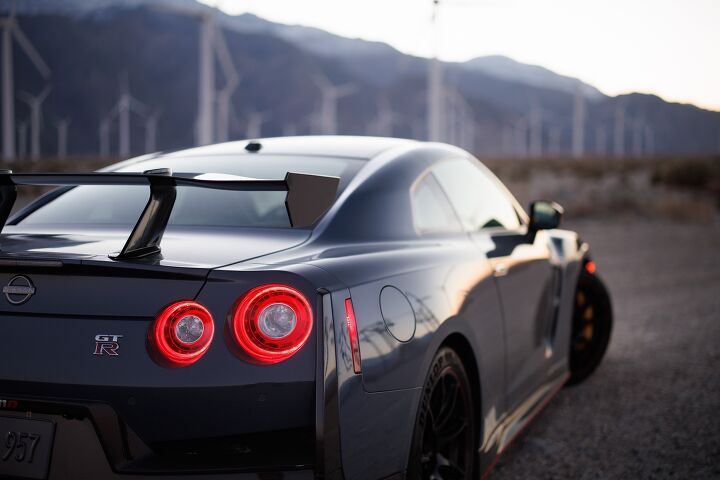
While Nissan is in the process of reviving the GT-R, there’s an internal struggle about its ongoing development. As a global vehicle, the car has to appease various government regulations and the automaker seems extremely worried about trying to hit a constantly moving target.
The industry coping with shifting politics is nothing new. However, we’ve arguably never experienced a period where emissions rules were this stringent — or quite so disjointed along party lines.
Senior Vice President and Chief Planning Officer for Nissan North America, Ponz Pandikuthira, explained this perfectly to The Drive during a recent interview. He explained that the current GT-R had to be discontinued in the U.S. for failing to meet emissions standards that were changed less than a year later by a different presidential administration.
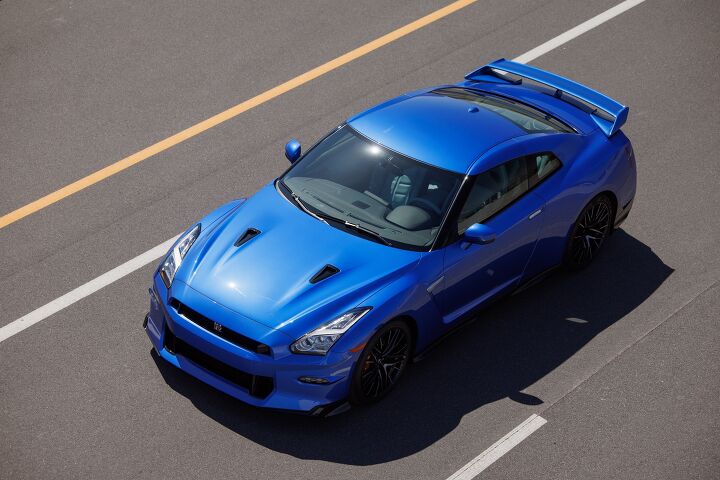
The Biden administration stated its goal was to pivot the nation to all-electric vehicles, with a goal of having 50 percent of all new vehicle sales be EVs by 2030. This was accompanied by lofty, fleet-wide efficiency targets that increased annually and sizable government incentives to spur things like domestic battery production and the national charging infrastructure.
In contrast, Donald Trump has opposed these measures on the grounds that he views them as financially wasteful and at odds with a diverse lineup of vehicles he argued Americans actually wanted to buy. Upon retaking office in 2025, one of his first acts was to lower efficiency requirements and abolish restrictions pertaining to greenhouse gas emissions.
“Look, what I think is the biggest challenge with the current generation of GT-R is it just didn’t meet emissions. And there was too much stuff that had to be done to the car that would basically choke the powertrain to make it compatible with the latest emission standards,” explained Pandikuthira. “So it was definitely time to sunset that vehicle. What we want to do is future-proof next-generation GT-R that it can have a really long life and keep evolving over its lifecycle. But the unknown, the big unknown is which way are emissions regulations going to go? We currently have a reprieve with the current administration. They’ve backed off on a lot of the regulations. And so there’s many things we can do today, but we don’t know if we can do them maybe post ’28 or post ’32. And so that’s what’s actually slowing down the development of what we want this car to be.”
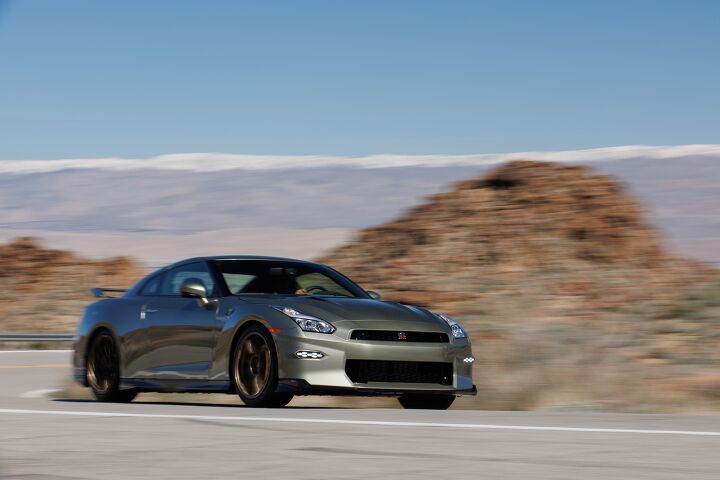
Boiled down, another Trump-like presidency would mean giving engineers leeway on what the GT-R could be. But another Biden-esque term might mean strict regulations that could force the model out of the market. Automakers need to plan for both contingencies, which is tricky when the average development period of a vehicle is actually longer than most political terms.
Obviously that’s an oversimplification, and doesn’t take into account the fact that automotive brands likewise need to account for efficiency requirements in markets outside of the U.S. It also glosses over other regulatory obstacles that seem to persist regardless of which party is in office.
As relevant as emissions regulations have been in shaping the modern automotive landscape, safety standards are just as impactful. For example, one might assume that the reason the Dodge Viper left the market in 2017 was due to its massive V10 being at odds with emissions. But the reality was its cabin couldn’t accommodate updated federal safety regulations ( FMVSS 226) that mandated all vehicles have side-curtain airbags.
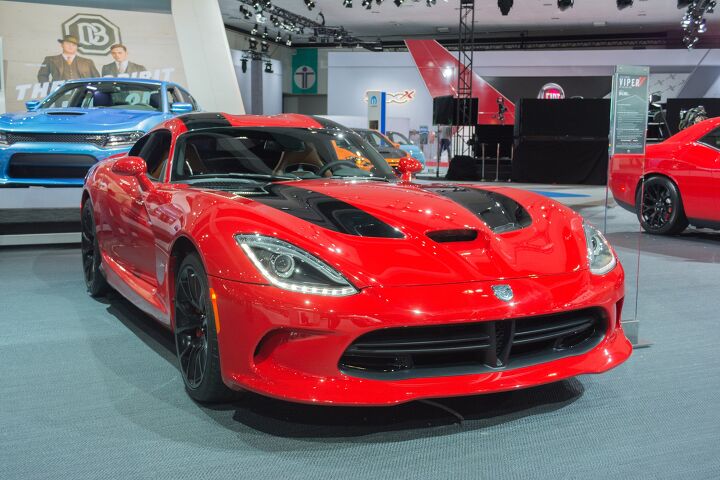
Rather than totally redesigning the vehicle, Dodge dropped the car prior to the Stellantis merger. A few years later the revised company would abandon the iconic Hemi V8s, citing emissions as the primary factor. But the automaker has since resumed limited production of eight-cylinder engines, suggesting that things are often more nuanced than initially presented to the public.
Forthcoming safety requirements will undoubtedly have more casualties and further influence the kind of products automakers end up building. For example, the National Highway Traffic Safety Administration (NHTSA) is currently finalizing rules that would require the installation of driver-monitoring systems on all new vehicles starting in 2027. Two years later, automatic emergency braking (AEB) systems are supposed to become standard equipment.
Europe has the same mission on an even shorter timeline.
These aren’t inclusions most drivers seem to want, nor is there a surplus of evidence that advanced driver assistance systems (ADAS) should be counted on as being reliable safety nets. Many see them as woefully invasive and unreliable equipment that will drive up the price of vehicles. But they’re allegedly coming all the same because people in the government decided they should be required. Like it or not, all of the stove changes are going to encourage the elimination of older models while establishing the kinds of vehicles that replace them.
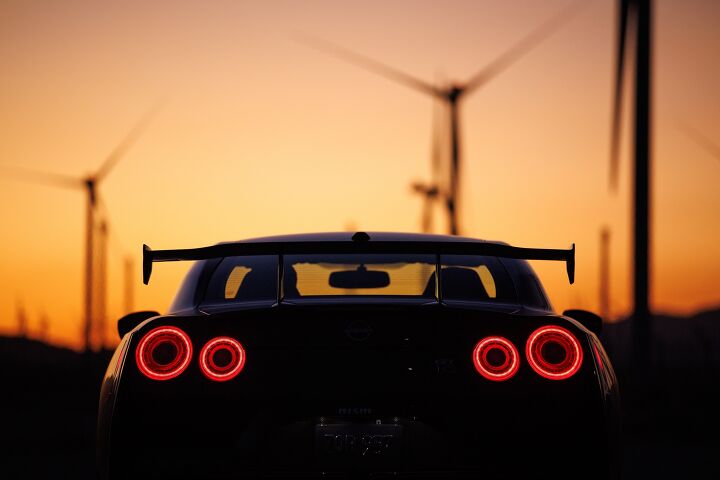
While automakers have been mistreating their customers by introducing subscription-based features and attempting to normalize spyware via connectivity (even lobbying for the above requirements), one can feel some sympathy about their needing to navigate a hectic regulatory landscape.
The industry chased electrification because governments were financially incentivizing that play while likewise punishing any brands that were unable to meet rolling emissions targets. This is a big reason why we’ve seen so many automakers shrinking the size of powertrains and making bold proclamations about EVs, despite there being so much evidence both trends were at odds with what customers actually wanted.
Companies acted on the premise that emission regulations would remain extremely strict and assumed that customers would go along with the plan. The upside was that automakers could build smaller engines on well-established models without having to lower the price. Meanwhile, they could recoup expenses tied to EV development by taking advantage of tax credits and other incentives.
However, customers have come out as mixed on modern powertrains, new vehicles are now broadly viewed as too expensive, electrification subsidies have started to evaporate, and U.S. emissions pertaining to greenhouse-gas emissions have been done away with at the federal level.
All of the above seems poised to redirect the industry. But there’s a clear hesitancy to act when other nations aren’t willing to deregulate and the United States may just be one election away from reverting to more-restrictive policies on what automakers are allowed to sell. That’s certainly not what enthusiasts — or even the typical motorist — wants to hear.
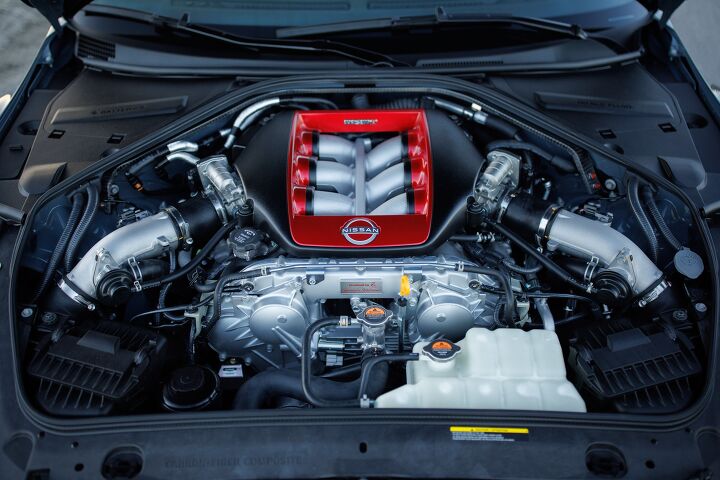
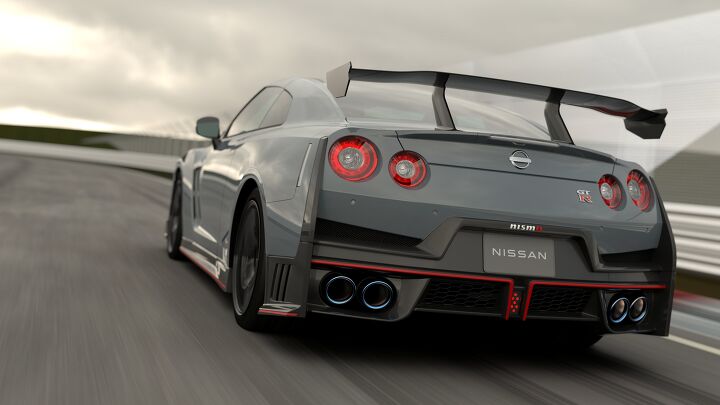
For the GT-R, this has meant eliminating the R35 and setting up its successor to utilize a hybridized powertrain. But that doesn’t guarantee that everything about the vehicle has already been decided. Nissan still has time to make some changes and even hinted that it might be forced to, depending upon the future political situation.
From The Drive:
In 2025 we learned from Pandikuthira that the next-gen GT-R will be a hybrid that arrives in 3 to 5 years. Earlier this month we learned it will keep the R35’s VR38 block. And newly-appointed Nissan CEO Ivan Espinosa, who’s been in the hot seat for just over a year now, confirmed to The Drive that “we are actually working already on the GT-R,” as Pandikuthira noted.
The reason for that 3- to 5-year timeline is political in nature. “So the reason I said 2028 is that’s when we’ll actually know if there’s going to be a change in the administration, and then we’ll find out a trajectory of what emissions will look like, and then that’ll solidify the plans. That said, you can’t start in 2028. So clearly a lot of the work will be done here, but hopefully by 2028, with somebody like Ivan as the CEO now, I think it’ll get a higher priority and we should be able to make some concrete announcements by ’28 of a timeline of when exactly you’d be able to see a new GTR in showrooms,” Pandikuthira said.
This is also something that’s going to influence other Nissan models and any other automaker that plans on selling vehicles inside the U.S. However, global models like the GT-R will still need to be able to conform (or be easily adapted to) whatever rules have been laid out in the other relevant markets. This makes the multi-billion-dollar development programs the average vehicle undergoes exceptionally cumbersome and a bit of a gamble.
These companies aren’t operating at a level where they can simply manufacture whatever the designers and engineers feel passionately about. Leadership and the finance departments want to mitigate capital risks and dazzle shareholders with promises about technology, while also appeasing regulators and NGOs that may be pushing a specific agenda — one that’s subject to change between cycles and may be accompanied by financial penalties or rewards, depending upon how the business behaves. That doesn’t necessarily make them correct. But we need to be objective on the internal and external pressures that determine how an automaker decides to operate.
With that same objectivism in mind, neither side of the government really has a handle on not making a mess of things. It’s impossible to argue against the fact that building the same vehicle over an incredibly long period of time reduces manufacturing costs while increasing dependability. By 2015, Trump correctly identified that a constantly changing regulatory landscape drives up the price of vehicles by forcing manufacturers to frequently update models. He even made it an essential component of his deregulation agenda, claiming it would reduce the cost of modern vehicles to consumers.
At the time he saw a colossal amount of pushback from political opponents and even a coalition of automakers attempting to play all sides. As previously noted, he would have greater success during his second term.
However, the president only bothered to move on the regulatory component tied to emissions and introduced stiff tariffs that automakers would later use as an excuse as to why they continued raising prices. Now, he’s discussing how to give that money back to businesses despite the fact that the costs have already been passed onto their customers. Biden did the opposite, even though the outcome was functionally similar for motorists. His administration poured billions into the industry via subsidies and grants with electrification being the target. All that government spending created inflation and effectively drove up the price of goods.

In both cases, the industry had convenient excuses for why MSRPs continued to climb. Meanwhile, inconsistent regulatory policies created by political rifts resulted in industrywide uncertainties that influenced business decisions. There are some vehicles that automakers just aren’t going to bother building when they’re stressed about regulations or worried that there might not be enough customers to afford to buy them. Rather unfortunately, Nissan seems to be concerned that the next GT-R may be confronting both scenarios.
It wouldn’t be the first time, however. The American muscle car slipped into a multi-decade coma and the industry entered into the often criticized Malaise Era as companies failed to cope with new emissions rules under the 1970 Clean Air Act. This was followed by rolling oil embargos stemming from the United States’ support of Israel during the 1973 Yom Kippur War and a subsequent economic recession. In the end, the automotive sector failed to adapt to those changes and well-established nameplates lost a staggering amount of ground to upstart Japanese brands.
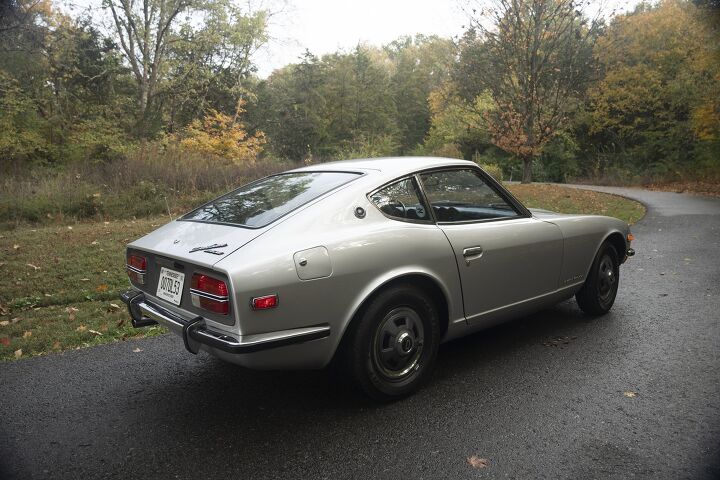
Among those was Nissan, who made headway in the U.S. during that time period (then branded as “Datsun”) by selling small, affordable, and reliable automobiles boasting good fuel efficiency. The company also launched the 240Z — a stylish and engaging sports car that punched above its weight class at a reasonable price and didn’t have to be neutered to comply with the stringent emissions.
Perhaps there’s a lesson to be learned there.
[Images: Nissan; betto rodrigues/Shutterstock]