
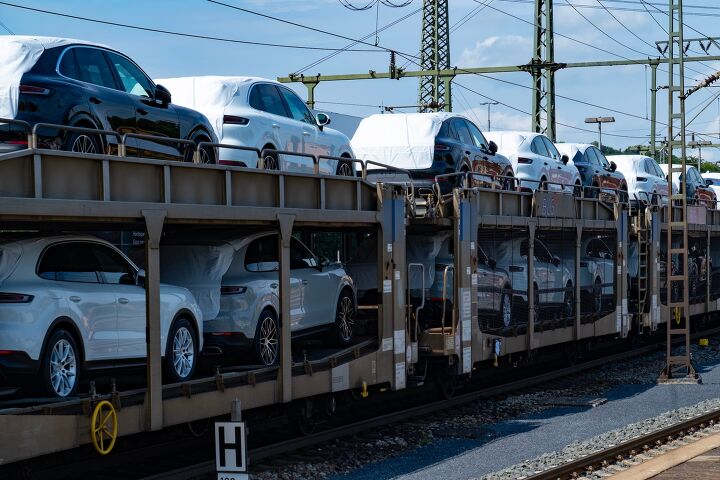
On Monday, the Trump administration announced that it was taking the initial steps to refund $166 billion collected in tariffs over the last year. This comes after the Supreme Court ruled against tariffs imposed via the International Emergency Economic Powers Act (IEEPA). While the automotive industry appears to be eligible for refunds, there’s a substantial amount of confusion surrounding the finer details.
The automotive sector is estimated to have increased automotive pricing by as much as 15 percent in response to importation tariffs launched by the federal government in 2025.
According to Kelly Blue Book (KBB), the fees raised the price of the average imported car by somewhere between $5,000 and $8,900 (USD) compared to last year. But even domestically manufactured models have seen a $1,600 to $2,000 bump in price due to imports levied on raw materials. All told, the tariffs are assumed to have set the automotive sector back by about $30 billion — which was passed on to customers by way of increased pricing.
It was a similar outcome for other industries, many of which will now be eligible for government refunds following the Supreme Court ruling. But there are a lot of questions about who exactly is eligible and how the refunds will be handled. The case focused specifically on the so-called “reciprocal tariffs” issued via the IEEPA of 1997.
KBB’s parent company, Cox Automotive, suggested the decision “may over time reduce some tariff-driven inflationary pressure on the overall U.S. economy.” But it also stated that the case impacts those IEEPA tariffs, which it claimed were not the tariff authority directly driving auto costs. That, Cox said, was the fault of Section 232 of the Trade Expansion Act of 1962 — which allowed the government to impose tariffs on raw materials that go into building automobiles.
However, Automotive News already reported that automakers and their suppliers would be eligible for up to $20 billion in tariff refunds. The U.S. Customs and Border Protection (CBP) agency had even announced that it would soon begin processing the first phase of the refund program.
The issue is that it looks like the simplest cases would take precedence. The lawsuit that spurred the Supreme Court’s decision involved roughly 3,000 businesses and some will be easier to handle than others. Companies that simply import goods and materials should be simple relative to something like an automaker or supplier, which will have an array of products composed of materials that may or may not have been subject to import tariffs.
With an estimated 300,000 businesses presumed to be eligible for refunds in this first phase, it’s going to be a while before the bureaucracy even bothers getting around to the trickier refunds. But that might not matter for consumers, who have already been subjected to price hikes associated with pandemic related production shortfalls, sustained inflationary pressures, and industrywide tariff coping.
It’s difficult to say what aspects of the automotive industry will be eligible for refunds and how much that’ll be once the government math is finalized. But assuming that it’ll change automotive pricing for the better seems like a stretch. Some have suggested that automakers may not even bother with the refunds and that any tariffs currently deemed illegal by the Supreme Court will just be attached to Section 232 of the Trade Expansion Act at a later date.
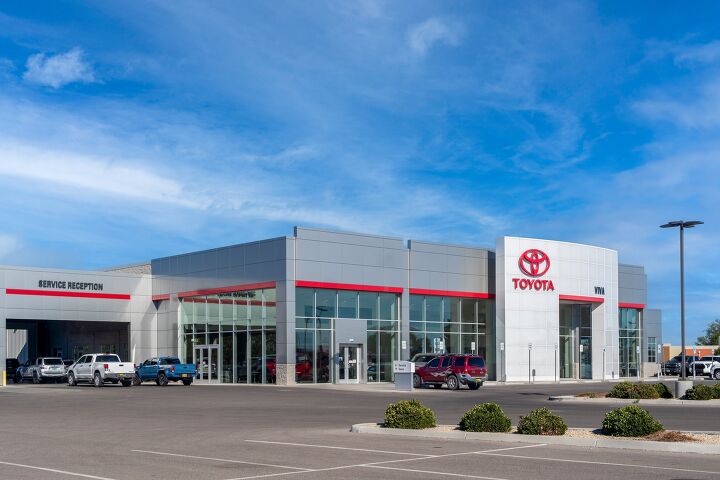
Frankly, automakers not seeking government money seems implausible — even if they have to wait a while. Almost every decision the industry has made over the last two decades has been filtered through government funding. While electrification was spurred on heavily by regulatory pressures, subsidization is what ultimately made EV sales possible. Volumes have been drying up without it.
With the industry now framing tariffs as hurting their bottom line, it seems extremely plausible that they’d take action to recoup some money via government refunds. We’re in full agreement that the tariffs increased the cost of doing business for many automakers, too. Trump stated that the primary reason for implementing the tariffs was to penalize countries for exporting fentanyl to America, pressure them to lower their own tariffs, and bring more manufacturing from abroad back to the United States. While the latter appears to be happening, establishing factories is expensive and has further added to the operating costs of numerous automakers.
But asserting that recent profitability shortfalls were entirely the fault of tariffs is misguided. Automakers had already been raising prices by other means before the latest batch of tariffs were even being considered. Small cars were abandoned to exploit government-approved emissions loopholes (totally negating any premise of environmentalism) while also raising the average price of new vehicles by driving the entire market upwards. Inflation, worsened by several years of unfettered government spending programs, simultaneously drove up MSRPs while likewise serving as a convenient cover for brands to continue grousing customers.
For the doubters, all we need to do is point to the fact that automakers have enjoyed several years of record-breaking profits despite coming off a period of declining volumes and costly investments into failed EV and autonomous driving programs. Automakers were somehow selling fewer cars and spending more money while still seeing increased profitability.
Now that sales look to be declining further, many are now pointing fingers back at the government. However, we could debate all day as to whether it was tariff and economic pressures that pushed customers to the financial breaking point or simply the industry’s own greed. Without a detailed list of every single business outlining their expenditures and a lifetime to study them, an all-of-the-above answer seems the most likely and productive.
It also isn’t going to matter much from the consumer perspective. All the average car buyer knows is that vehicle pricing has become a problem and may be aware of some of the contributing factors. But knowing isn’t going to move the needle unless all of their friends also know and plan on doing something about it. Plummeting vehicle sales will undoubtedly encourage automakers to lower MSRPs. But it may be a while until we see those models manifesting and the federal government now seems poised to give automakers an out by suggesting that it’s willing to pay them to build military supplies instead of passenger vehicles.
The silver lining here is that some companies have already said that they would pass the refunds along to customers (e.g. FedEx and Costco). But it’s not clear exactly how this would be handled. Mailing out checks seems extremely unlikely, bordering on impossible, leaving them to either lower prices or simply claim they had every intention of helping customers while not doing so.
Automakers haven’t said much of anything on that front and are unlikely to do so until it’s determined how eligible for refunds they’ll actually be. The amount would presumably vary massively between brands and even the individual trim levels of select models. But we’re likely years away from those things even being considered. By the time OEMs decide to seek tariff refunds, the rules may also have changed. Some tariffs may be removed as new ones are added.
Regardless, the present day sentiment isn’t particularly good. The consumer response to the refunds has not been positive, with many alleging that this is effectively a way to bailout corporations who already forced customers to pay more for goods and services. Most seem skeptical that the prices of goods will decline and that’s a pretty safe bet from a historical perspective.
This is the kind of story that will probably evolve constantly during the next couple of years, likely without any clear resolution for consumers. Expect to see subsequent legal battles and plenty of governmental infighting. But do not assume that it will translate into cheaper automobiles in itself.
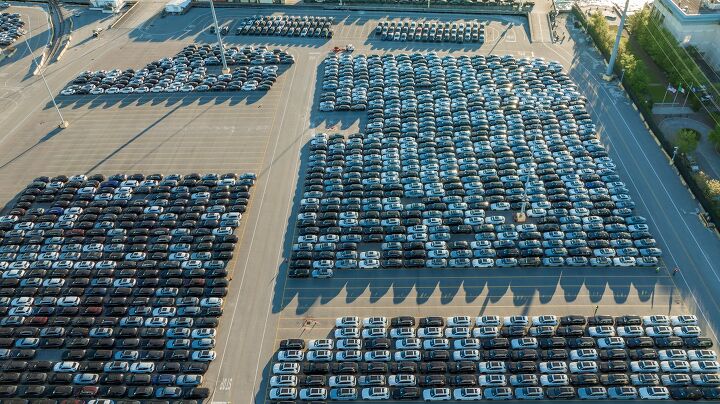
[Images: Kittyfly/Shutterstock; Ken Wolter/Shutterstock; Frame Craft 8/Shutterstock]