
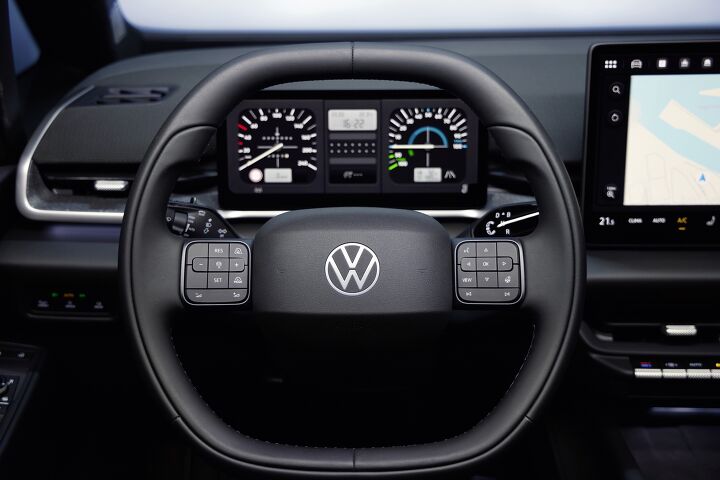
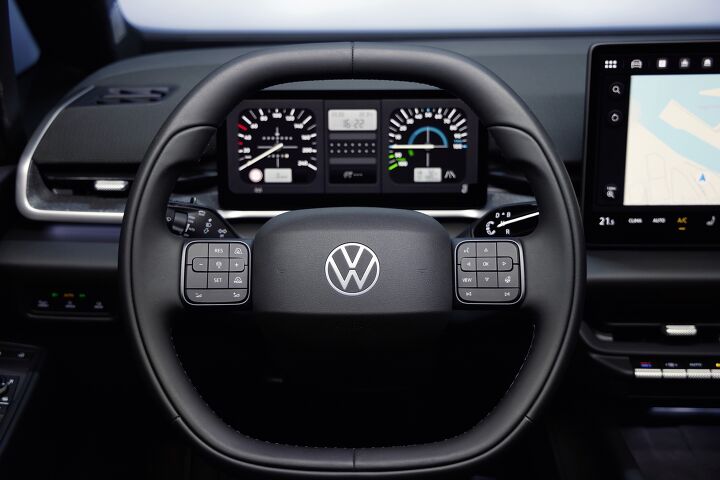
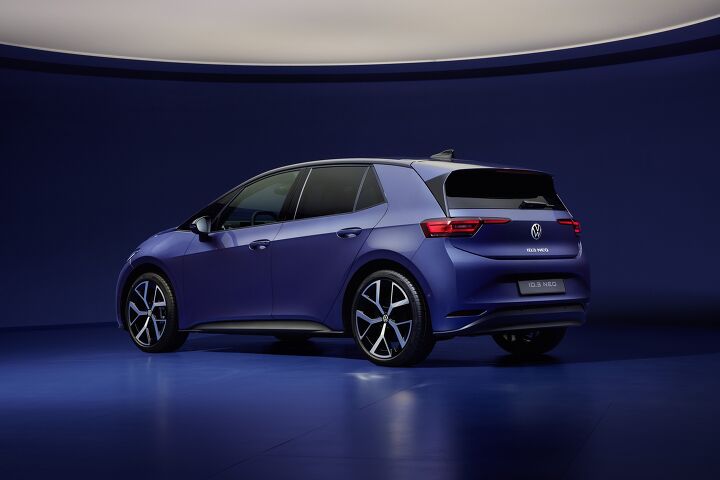
Volkswagen has taken a surplus of criticism for moving away from physical controls to run with touch controls in recent years and has vowed to remedy the situation. We’re now getting a glimpse of what that looks like with the updated ID.3 Neo.
It’s not a model that the company sells in North America. But it boasts a cabin that VW said was “designed for more comfort and intuitive operation” and should foreshadow what we see on subsequent products from the brand.
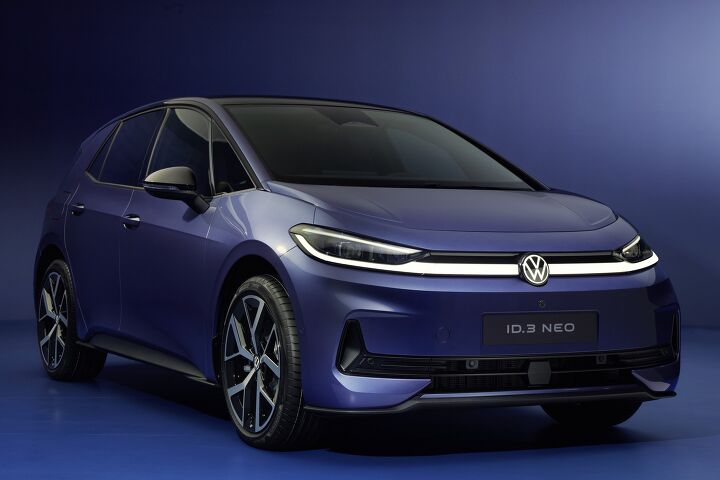
“We have developed the new vehicle generation based on the motto ‘True Volkswagen’ and have consistently placed the benefits for our customers at the centre of our actions. In addition to the long range, models such as the ID.3 Neo impress with a superior, timeless design that provides long-lasting pleasure, high quality for a noticeably first-class driving experience and technical perfection that can always be relied on,” stated Martin Sander, Member of the Board of Management responsible for VW’s Sales and Marketing. “This is complemented by particularly intuitive operation, which makes everyday driving easier and more convenient.”
Since the new ID.3 Neo is a small all-electric vehicle that’s unlikely to ever come to our market, we’re only interested in that last line. Volkswagen has made a promise to make changes to interior controls that will please drivers and the ID.3 is the first vehicle to represent those modifications.
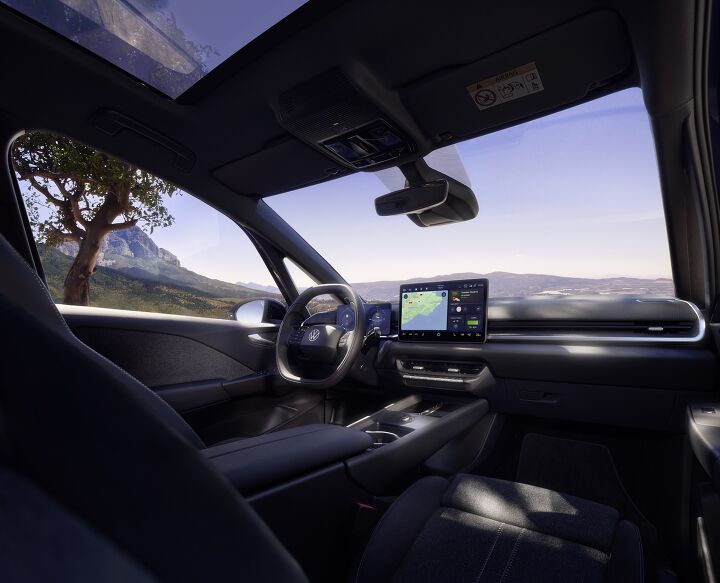
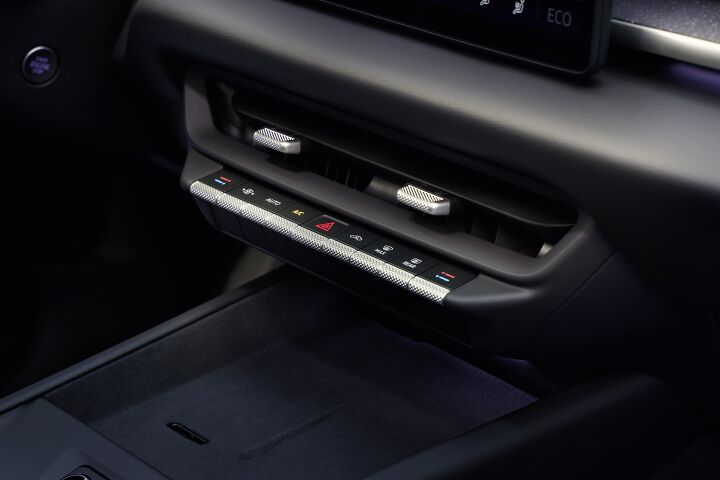
The automaker is promising “ergonomic and self-explanatory controls, easy-to-grip buttons and intuitive controllers for central functions.” In fact, a great deal of the press release is spent discussing how the new buttons are basically idiot proof.
While I’ve never been a hardcore acolyte of any automotive brand, Volkswagen always seemed to offer understated, timeless, and borderline-upscale designs yielding an above-average user experience. But you could typically count on interiors and exteriors that age like a fine wine, reliability notwithstanding sometimes.
VW pivoting to touch controls spoiled the recipe, at least on the inside. Graphical displays can quickly date a vehicle from a visual perspective. But the biggest issue was Volkswagen trying to integrate so many controls through the central touch screen. Putting HVAC settings inside touch-sensitive menus should be a crime.
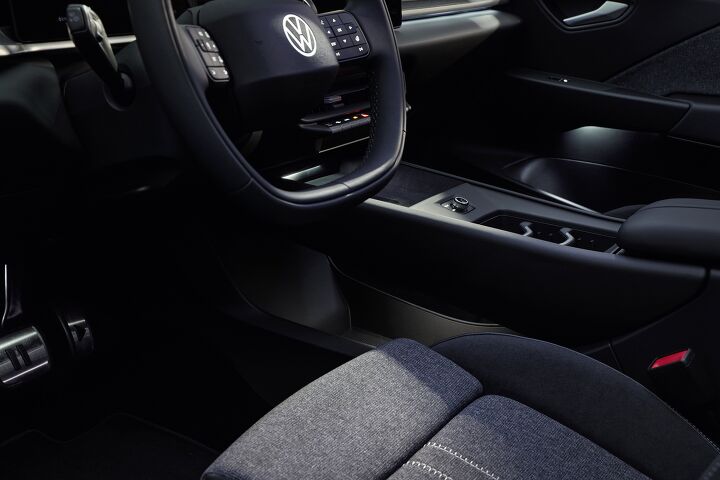
When I was testing last year’s Jetta and GLI models, I likewise noted that the more basic Jetta had retained physical buttons on the steering wheel. Meanwhile, the sporty GLI had copied the GTI by leveraging haptic-feedback “buttons” that simply couldn’t hold a candle to the real thing.
Despite unassuming sport sedans being my all-time favorite vehicles, Volkswagen’s over-reliance on touch-sensitive controls ever-so-slightly sullied the otherwise excellent GLI. But those grievances can be extended to the GTI and loads of other models currently being built by the brand. I was also hardly the first or last person to make those kinds of criticisms, as they’re now rampant and encompass practically every manufacturer.
While VW has attempted to address those complaints by improving the digital user interface, the real solution was always to bring back physical controls — and that’s what is starting to happen.
The question is how the trend progresses. Automakers around the world originally pivoted to screens and touch controls because they were cheaper to implement. They also encourage people to interface with app-based connectivity features, which the industry believes will be overwhelmingly profitable and help to normalize subscriptions for content already installed into the vehicle.
Ultimately, the ID.3 Neo seems like it’s trying to strike a balance between giving customers what they want without having to abandon the above monetization strategies. I’ll be honest, the buttons on the steering wheel look like an afterthought. But that doesn’t mean they won’t work perfectly fine. The same is true of the HVAC buttons, which seem like they cover the essential controls and nothing else.
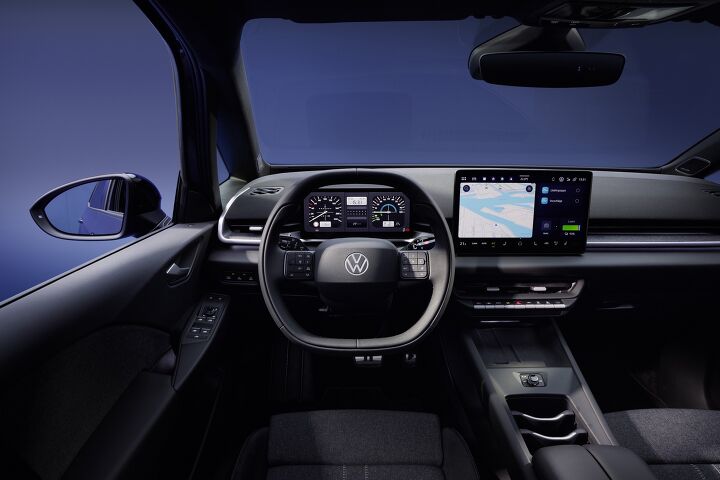
Volkswagen is still hyping its new Innovision Infotainment system and the fact that it comes with an updated app store has also been integrated into the in-car marketplace. This is all about normalizing subscriptions tied to numerous features, effectively letting your car charge your credit card for select items. So, VW has managed to address some complaints about controls while leaning even further into other trends many motorists dislike.
Drivers are getting physical switchgear where they need it most. However, VW is still running with digital displays and touch-based interfaces for some of the more nuanced features you might not touch on a daily basis and may pay extra for. We’ll be curious to see how the company’s cabins continue to evolve, especially on non-electric models catering to more mainstream buyers.
[Images: Volkswagen]
Become a TTAC insider. Get the latest news, features, TTAC takes, and everything else that gets to the truth about cars first by subscribing to our newsletter.
