

General Motors reported its earnings rose 21.9 percent on an adjusted basis for the first quarter of 2026, led in large measure by industry-leading full-size pickup sales. However, the company’s net income dipped 5.7 percent due to costs related to its electric vehicle program.

Overall, the company’s revenue dropped slightly, 0.9 percent, to $43.6 billion while net income came in at $2.6 billion, after the company paid $1.1 billion to settle claims with its EV supplier base. The Detroit-based automaker reported its earnings before interest and taxes (adjusted earnings) were $4.3 billion.
The company revised its full-year earnings guidance as well, upping the range for its adjusted earnings forecast for 2026 by $500 million to $13.5 billion to $15.5 billion. The increase is the amount it expects to receive after the U.S. Supreme Court ruled against the Trump administration’s use of the International Emergency Economic Powers Act to raise certain tariffs.
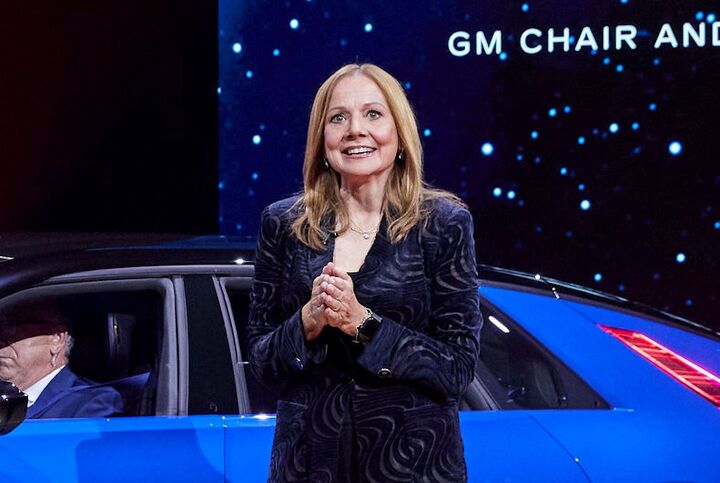
“We have solid momentum in our core operations: We maintained overall sales leadership in the U.S. and Canada. We led the U.S. industry in full-size pickup sales and share, with 42 percent of the market,” GM Chair and CEO Mary Barra wrote in a letter to shareholders.
The adjusted earnings per share (EPS) was $3.70, well above the $2.78 EPS reported for the same period last year. It was also well above what Wall Street analysts were expecting. Reuters reported analysts were predicting $2.62 per share, according to LSEG data.

Investors weren’t pleased with the numbers, as GM’s stock opened in the in the mid-$76 per share range after closing at $78.05 the previous day. The stock has risen into the middle $77 range in early morning trading.
As is usually the case, GM’s business was led by its performance in North America, although overall Q1 sales were down, the company’s highly profitable full-size pickups led the charge to solid profits. The sales were surprisingly strong given the rise of gas prices past $4 per gallon, a result of the ongoing conflict with Iran.
This year’s first quarter was a tough comparison for most automakers as last year at this time, buyers were flocking to dealers looking to buy new vehicles before tariff-related price increases were expected to hit.
[Images: GM]
Become a TTAC insider. Get the latest news, features, TTAC takes, and everything else that gets to the truth about cars first by subscribing to our newsletter.
